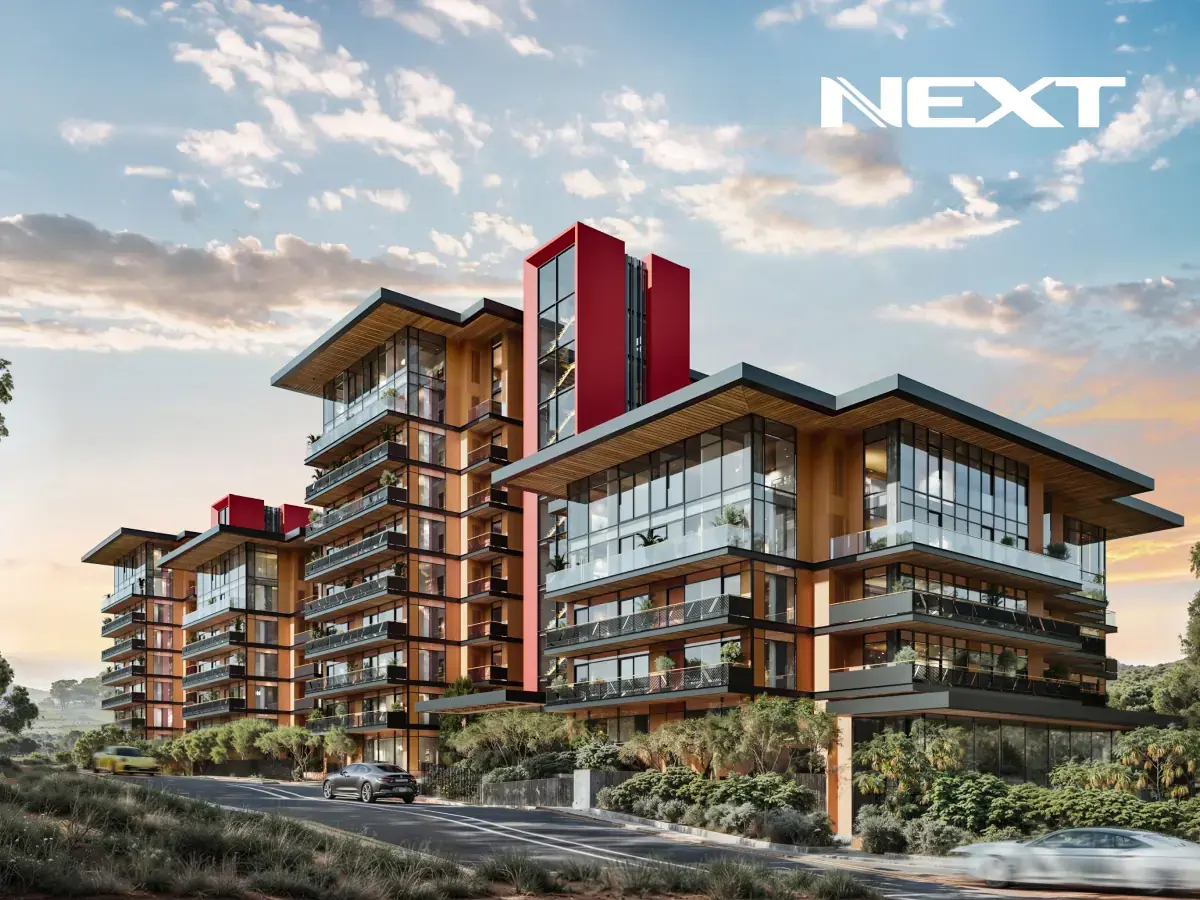
The Low-Rise Evolution
In our time, the way we judge a great building is changing quietly but deeply. For decades, the skyscraper was the main symbol of success – a giant monument to ambition that changed the look of cities from Dubai to Shanghai.
However, in 2026, things are shifting. The world of architecture is moving beyond just constructing tall towers. Now, there is more focus on smaller, human-scale designs that are better for the long term. This isn't a sudden move away from height, but a smart response to how resources are used today and what people need for their well-being.
A New Global Standard
This move toward shorter buildings is changing the old rules of city planning. In the world’s top markets, the high status that used to belong only to the penthouse is moving down to the ground floor. Developers are finding more value in groups of smaller buildings that connect with the street and bring people together.
You can see this change as interest in giant glass towers slows down, while the desire for homes in quiet, charming neighborhoods goes up. Now that the novelty of high-rise views has faded, the market is choosing buildings that fit the horizon rather than just trying to break it.
Success is moving away from the 'biggest' and toward the 'fastest' – speed of completion is the new gold standard.
The Efficiency of Speed
The practical reason for this change is clear. When time is a factor, building a massive tower that takes many years to finish is a big risk. In contrast, smaller buildings – usually three to seven floors – are much more flexible.
These projects are finished faster, which helps them meet local needs quickly and stay safe from sudden market changes. Beyond building, these properties are also simpler to run. Because they don't need complicated elevators or massive cooling systems, they are much easier to maintain. This creates more stability and a more predictable future for the property.
In our time, the way we judge a great building is changing quietly but deeply. For decades, the skyscraper was the main symbol of success – a giant monument to ambition that changed the look of cities from Dubai to Shanghai.
However, in 2026, things are shifting. The world of architecture is moving beyond just constructing tall towers. Now, there is more focus on smaller, human-scale designs that are better for the long term. This isn't a sudden move away from height, but a smart response to how resources are used today and what people need for their well-being.
A New Global Standard
This move toward shorter buildings is changing the old rules of city planning. In the world’s top markets, the high status that used to belong only to the penthouse is moving down to the ground floor. Developers are finding more value in groups of smaller buildings that connect with the street and bring people together.
You can see this change as interest in giant glass towers slows down, while the desire for homes in quiet, charming neighborhoods goes up. Now that the novelty of high-rise views has faded, the market is choosing buildings that fit the horizon rather than just trying to break it.
Success is moving away from the 'biggest' and toward the 'fastest' – speed of completion is the new gold standard.
The Efficiency of Speed
The practical reason for this change is clear. When time is a factor, building a massive tower that takes many years to finish is a big risk. In contrast, smaller buildings – usually three to seven floors – are much more flexible.
These projects are finished faster, which helps them meet local needs quickly and stay safe from sudden market changes. Beyond building, these properties are also simpler to run. Because they don't need complicated elevators or massive cooling systems, they are much easier to maintain. This creates more stability and a more predictable future for the property.